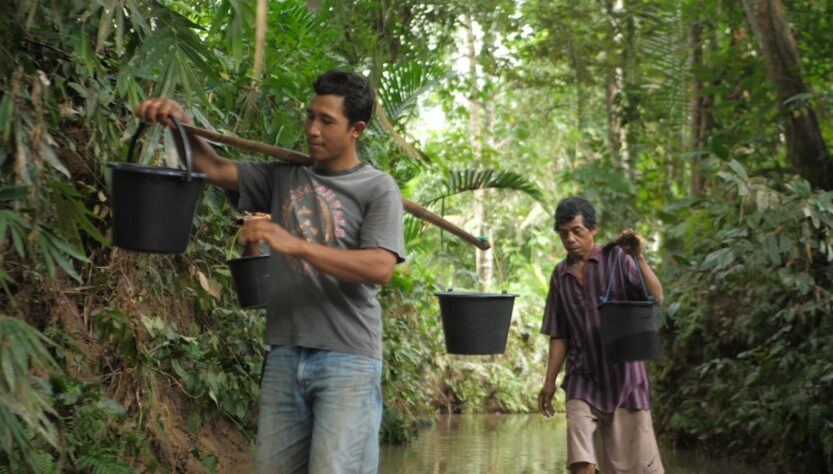
In Kadubojong Village, the day doesn’t really start until there is a journey to be taken. Carrying buckets and empty jerry cans, residents walked along a two-kilometer path to get clean water that they would use throughout the day.
For some people, two kilometers may be just a short distance on the map. However, for the residents of Kadubojong Village, Parungkujang Village, Lebak Regency, Banten, this is a routine that must be followed every day. Of course, the terrain is not always friendly.
When the rainy season comes, the path turns into a slippery track mixed with dirt. Every step must be calculated so as not to slip. In the midst of these conditions, residents continued to walk because they had no other choice when the need for water became urgent.
Water is not only needed for drinking, but also for bathing, cooking and washing. Under certain conditions, residents have to rearrange their daily needs, or even postpone them, when water supplies start to run low.
Ciragah Waterfall Springs
Difficulties become more pronounced when the dry season comes. Over the course of two to three months, the water source from the river that residents usually use slowly dried up and became unreliable. In this condition, residents are looking for alternatives by utilizing the springs at Curug Ciragah.
In Kadubojong Village, water from the Curug Ciragah spring is actually quite abundant. However, to reach residents’ homes, the water must be “pulled” using a hose approximately 500 meters long. The problem is, not everyone has a hose that long. As a result, hoses become items that have to be borrowed, used interchangeably, and sometimes are not always available when needed.
“The water is actually good, clear and drinkable,” said Mrs. Yuli (45), a housewife from Kadubojong Village. “But what’s hard isn’t the water… what’s difficult is actually how to get it.” He was silent for a moment, then continued. According to him, limited hoses mean that water cannot be accessed at any time. Residents have to wait their turn or adjust to other people who are also using it.
“If you call it a solution, not yet… but for the time being it can help,” he added.
What Water to Buy When There’s No Choice
When the dry season comes or access to water from rivers and hoses is not possible, some residents are forced to buy water from neighbors who have closer sources. At least dozens of families in Kadubojong Village are still experiencing this condition.
“If there really is no water, whether we like it or not, we have to buy it. It can cost IDR 50,000 per month for water,” said Pak Ahmad (52), a local daily laborer, while sitting to rest after work. He does not hide that water is still an additional burden in daily life.
Improved Access
For years, facing limited clean water, the residents of Kadubojong Village have continued to go about their daily lives using various methods to get water. This condition slowly became a concern, until their needs began to be conveyed through various parties, which then encouraged collaborative efforts to find solutions.
From this process, a well was finally built not far from residential areas, with a distance of around 100 meters and access that was much easier to reach. The well is the result of collaboration between PT Kliring Penjaminan Efek Indonesia (PT KPEI) and Insan Bumi Mandiri (IBM) as implementing partners, in an effort to increase access to clean water in Kadubojong Village.
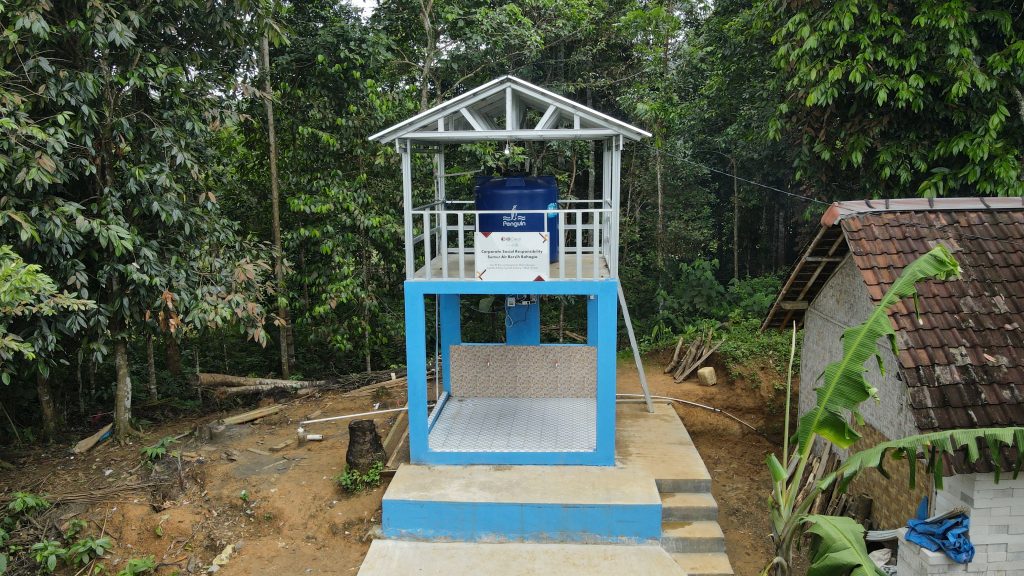
The presence of this well provides convenience for the residents of Kadubojong Village who have had difficulty getting clean water, especially for the mothers who live there. Time that used to be spent just fetching water can now be diverted to other work at home.
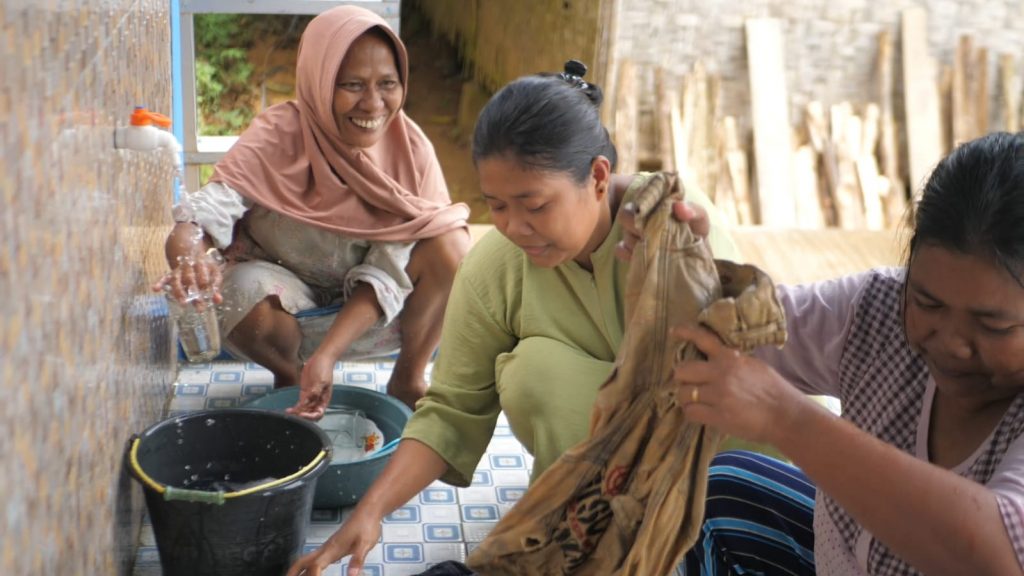
The long journey of the residents of Kadubojong Village to get clean water is slowly no longer their main routine. However, this condition has not completely erased the old ways that have been used for years.
The presence of wells now provides an alternative that is closer and easier to reach. In the midst of these changes, residents began to reorganize their daily habits in using more appropriate water. Even though it is not evenly distributed and has not completely eliminated the existing difficulties, this change is the first step towards better conditions than before.
PakarPBN
A Private Blog Network (PBN) is a collection of websites that are controlled by a single individual or organization and used primarily to build backlinks to a “money site” in order to influence its ranking in search engines such as Google. The core idea behind a PBN is based on the importance of backlinks in Google’s ranking algorithm. Since Google views backlinks as signals of authority and trust, some website owners attempt to artificially create these signals through a controlled network of sites.
In a typical PBN setup, the owner acquires expired or aged domains that already have existing authority, backlinks, and history. These domains are rebuilt with new content and hosted separately, often using different IP addresses, hosting providers, themes, and ownership details to make them appear unrelated. Within the content published on these sites, links are strategically placed that point to the main website the owner wants to rank higher. By doing this, the owner attempts to pass link equity (also known as “link juice”) from the PBN sites to the target website.
The purpose of a PBN is to give the impression that the target website is naturally earning links from multiple independent sources. If done effectively, this can temporarily improve keyword rankings, increase organic visibility, and drive more traffic from search results.